 PERU PESQUERO con agallas para denunciar…

The Concept of Luck in Gambling
Luck is often perceived as a fundamental element in the world of gambling, especially within casino environments. Many players enter casinos with the belief that their success hinges on luck, leading them to engage in various games with the hope of hitting a significant win. This belief is deeply rooted in the nature of casino games, which often present outcomes that are primarily determined by chance. Whether it’s rolling dice, spinning a roulette wheel, or pulling a slot machine lever, the unpredictable nature of these activities encapsulates the thrill of gambling, making luck a tantalizing factor in every player’s experience, including those who access the ripper casino login for a chance to play.
However, while luck is undeniably a significant contributor to a player’s success at the casino, it is essential to recognize that it is not the only element at play. Many games are designed with specific odds and probabilities that can be analyzed and understood. For instance, in poker, a game known for its blend of strategy and chance, a player’s skill can dramatically influence their success over time. Even in games predominantly determined by luck, such as slots, understanding the mechanics and the payout structure can provide players with insights that might enhance their overall gaming experience.
Furthermore, the psychological aspect of luck cannot be overlooked. Players often attribute their wins or losses to luck, which can affect their mindset and emotional responses while gaming. This belief may lead to phenomena such as the ‘gambler’s fallacy,’ where individuals think they can control or change their luck through specific actions or rituals. By exploring these psychological dimensions, we can better understand how players perceive luck and its role in their gambling experiences.
The Role of Probability and Odds
In the realm of casinos, each game is governed by its own set of rules, probabilities, and house edges that dictate the likelihood of winning. For example, in games like slot machines, the odds are typically skewed in favor of the casino, meaning that while players may experience occasional big wins due to sheer luck, the long-term expectation is that the house will maintain its advantage. This structure serves as a reminder that while luck can lead to fleeting triumphs, the inherent design of the game ensures consistent profitability for the casino.
Table games, such as blackjack or roulette, also come equipped with established odds that players should familiarize themselves with. Understanding how these odds operate can significantly influence a player’s approach to the game. For instance, a knowledgeable blackjack player who employs basic strategy can effectively reduce the house edge, showcasing how skillful play can mitigate the effects of luck in the long run. This interaction highlights the importance of recognizing both luck and skill when participating in casino games.
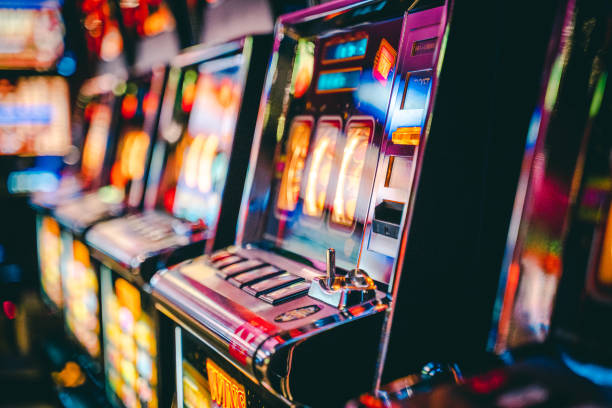
Grasping the relationship between luck and odds is crucial for players seeking to improve their gambling experiences. Acknowledging the randomness of short-term results while simultaneously recognizing that informed and strategic play can lead to better long-term outcomes fosters a healthier mindset towards gambling. This understanding promotes responsible behavior and encourages players to engage with casino games in a more thoughtful manner, ultimately enhancing their enjoyment and minimizing potential losses.
The Impact of Superstitions and Beliefs
Beliefs surrounding luck are often intertwined with superstition, and this interplay can significantly affect how players engage with casino games. Many gamblers develop rituals or habits they believe will enhance their luck, from wearing specific clothing to carrying lucky charms. These behaviors often stem from a psychological need for control in an otherwise unpredictable environment, and they can shape a player’s experience at the casino. For instance, a player might refuse to change seats at a blackjack table after winning a hand, convinced that staying put will continue to bring them good fortune.
Interestingly, research has shown that these personal beliefs can influence a player’s performance. A person’s confidence in their luck can shape their decisions and actions while gambling. Those who feel lucky may adopt a more aggressive approach, taking risks that could either lead to significant wins or amplified losses. Conversely, players who perceive themselves as unlucky may become overly cautious, potentially missing out on opportunities for success. This psychological dimension underscores the idea that while luck is inherently random, a player’s mindset can significantly impact their gambling outcomes.
It is vital to find a balance between embracing personal superstitions and maintaining rational thinking. While indulging in rituals can enhance the overall enjoyment of the gambling experience, relying solely on luck can lead to poor decision-making and detrimental financial outcomes. By understanding the psychology of luck and superstition, players can cultivate a more balanced approach to gambling, allowing for enjoyment while minimizing the risks associated with an overreliance on luck.
Long-Term Perspectives on Luck and Strategy
When considering the complex relationship between luck and strategy in casinos, it is crucial to adopt a long-term perspective. Players may experience short-term bursts of luck, such as winning streaks or significant payouts; however, the reality of gambling often reveals that outcomes balance out over time. By maintaining a long-term view, players can focus on their overall gambling experience rather than becoming fixated on immediate results that may be heavily influenced by luck.
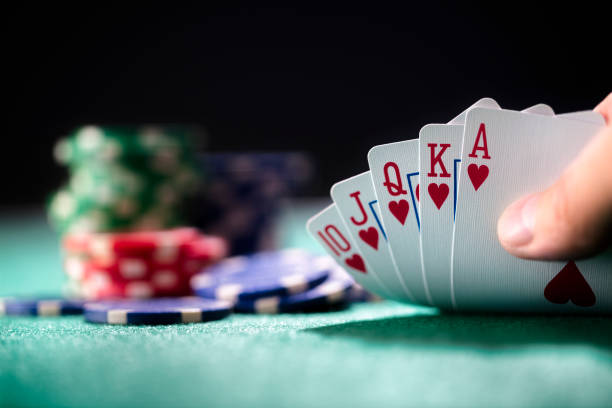
Integrating strategic play into one’s gambling routine not only helps manage expectations but also enhances a player’s ability to navigate the intricacies of various games. For example, those who invest time in learning game strategies for poker or blackjack often find their odds significantly improved. This blend of skill and the unpredictable nature of luck creates a more balanced approach, ensuring that while luck may play a role in individual sessions, informed strategies can lead to more favorable long-term outcomes.
Ultimately, embracing a long-term perspective encourages responsible gambling practices. Players are urged to set personal limits and recognize that while luck will always be a component of their casino experiences, it is crucial not to allow it to dictate their financial choices or emotional well-being. By understanding the delicate balance between luck and strategy, players can engage in casino gaming with a more informed and enjoyable mindset, fostering a healthier relationship with gambling.
Conclusion and Responsible Gaming Practices
In conclusion, our exploration of luck and its impact on casino outcomes illustrates that while luck plays a significant role, it is not the sole factor determining success. The interplay of probability, strategy, and personal beliefs all contribute to the gambling experience, shaping how players perceive their wins and losses. Recognizing the limitations of luck can encourage players to engage more responsibly and intelligently with their gambling habits, leading to a more positive experience overall.
Players should approach gambling with a balanced mindset that prioritizes both enjoyment and caution. Setting budgets, understanding the odds, and staying aware of personal beliefs around luck can enhance the overall experience. By acknowledging that luck is one part of the equation without allowing it to dominate decision-making processes, players can enjoy casino gaming in a more sustainable and responsible way.
Ultimately, gaining an understanding of the nuances of luck in gambling equips players to navigate casinos with a more informed perspective. The excitement of chance is a fundamental aspect of what makes casino gaming thrilling, but combining that excitement with knowledge and strategic thinking ensures a more rewarding experience, both financially and emotionally.


